A More Useful Way to Approach Life Structure

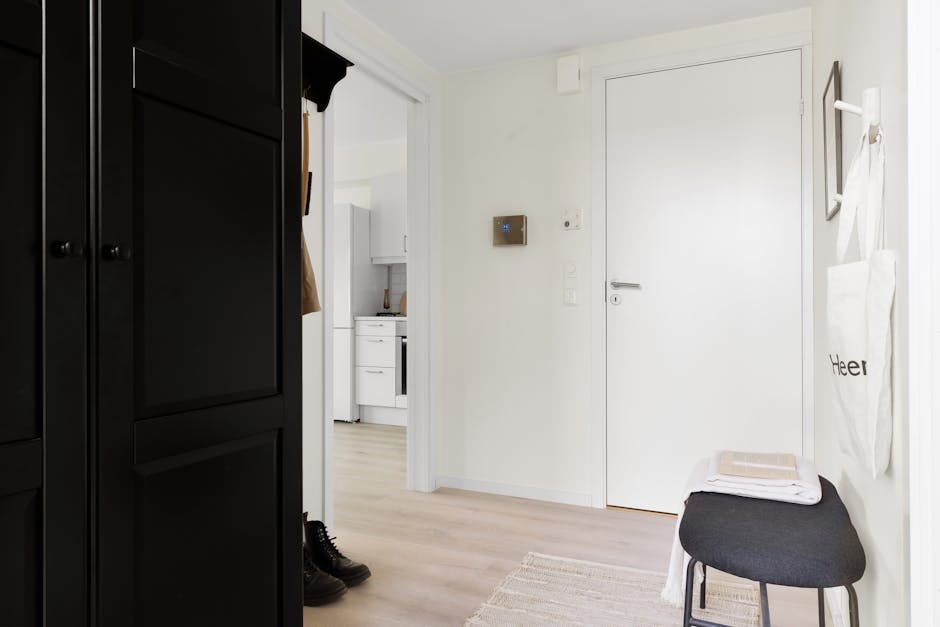
As the clock strikes 8:00 AM, the remote worker sits at the entryway chair, staring at the pile of dirty dishes in the kitchen that spills over the counter. The cluttered space feels overwhelming, a constant reminder of the late-night work session that bled into the morning. With a half-empty coffee cup in hand, the worker glances at the laptop screen, where a list of emails and messages awaits attention. The intention to communicate effectively with colleagues is there, but the environment is already setting up barriers. The umbrella, still leaning against the door, reminds them of the small habits that often slip in the chaos of a late-start weekday morning.
In this moment, the worker realizes that the setup relies too heavily on motivation rather than structure. The alarm, which should have been placed across the room to force a rise, sits quietly on the bedside table. This missed check impacts the entire morning routine, creating a cascading effect on communication skills throughout the day. Without a clear reset, the worker’s ability to engage meaningfully with others diminishes, as the clutter and disorganization seep into their mindset. The small habit of setting the alarm to prompt movement could be the key to breaking this cycle, yet it remains unaddressed amid the morning rush.
The Morning Setup: Where Motivation Fails
The remote worker stumbles out of bed, the alarm’s snooze button having been pressed one too many times. Sunlight filters through the window, illuminating the entryway chair, which is cluttered with dirty dishes from last night’s dinner. The sight is a stark reminder of the evening routine that fell short, leaving essential items for the day buried beneath a pile of unwashed plates. As they grab a mug for coffee, the worker notices the umbrella still leaning against the door, a small symbol of the disarray that has crept into their morning.
With a quick glance at the clock, panic sets in; the first work block is fast approaching. The worker realizes that the setup for the day hinges too heavily on fleeting motivation. Instead of a smooth transition into the morning routine, they find themselves scrambling. The alarm, ideally placed across the room to encourage movement, sits neglected on the bedside table. This missed opportunity to create a physical prompt for action leaves them feeling unprepared, and as they navigate the clutter, the ability to communicate effectively with colleagues feels increasingly out of reach. The small habit of clearing the entryway chair the night before could have made a significant difference, yet here they are, caught in the chaos of a late-start weekday morning.
The First Missed Step: Communication Prep
As the remote worker rushes to their workspace, the clutter of the entryway chair looms large in their mind. The laptop is grabbed, but the notes and messages meant for the day remain untouched on the kitchen counter, a missed opportunity for preparation. This oversight is not just about forgetting a piece of paper; it sets a tone of disorganization that can ripple through the entire day.
- Skip reviewing communication notes, thinking they can catch up later.
- Head straight to the workspace without checking important messages.
- Leave behind essential tools like pens or a notebook needed for calls.
By the time the first video call rolls around, the worker feels unprepared, lacking the context to engage effectively. This small habit of reviewing notes could have taken just five minutes but was overlooked in the scramble. The consequence is clear: without that initial check, the day's communication suffers right from the start.
This same friction shows up again in Daily Routines Real Life, especially when the day tightens unexpectedly.
Why the Routine Slips: The Role of Environment
The entryway chair is a silent witness to the chaos of a late-start morning. Piled high with yesterday's clothes and a few stray packages, it blocks access to the communication tools that should be ready for the day. A notebook, meant for jotting down key points for meetings, remains buried beneath a crumpled jacket. This clutter creates a physical barrier, making it easy to overlook essential tasks that require visual reminders.
Relying solely on motivation to kickstart the day often leads to neglecting these small but crucial steps. Without a clear visual cue, the worker might forget to check their messages or prepare their notes. The intention to engage effectively is there, but the environment fails to support it. The umbrella, which should be moved to the door for easy access, remains in the corner, adding to the sense of disorganization. As the clock ticks down to the first meeting, the worker finds themselves scrambling, unable to locate their notes or even a pen.
In this scenario, the hidden tradeoff is clear: a few minutes spent decluttering the entryway could have provided the necessary visual cues to streamline the morning routine. Instead, good intentions are overshadowed by the reality of a chaotic environment, leaving the worker feeling unprepared and disconnected from their communication goals. The first call of the day arrives, but without the proper setup, the worker is left to navigate a conversation without the context they need, setting a frustrating tone for the rest of the day.
A Simple Adjustment: Resetting the Environment
Late-start weekday mornings often lead to a scramble, especially for remote workers trying to regain focus. The entryway chair, usually cluttered with bags and jackets, can become a pivotal spot for a quick communication reset. Placing a communication checklist here—perhaps a simple notepad with key points for the day—can serve as a visual cue. This way, as you grab your bag, you also grab the checklist, ensuring you’re mentally prepared before stepping out.
Another small but effective shift involves the alarm clock. By moving it across the room, you force yourself to physically get up and engage with your environment. This simple act of rising from bed not only wakes you up but also sets the tone for the day. As you walk to turn off the alarm, you might notice the dirty dishes on the counter, a reminder of what needs to be tackled. This moment of awareness can trigger a quick decision: should you spend a few minutes clearing the space or risk starting the day in a cluttered mindset?
In this setup, the sequence matters. If you start with the checklist and then tackle the dishes, you create a smoother transition into your work block. The small habit of checking off communication points while clearing the entryway can reinforce your focus. Missing this step leaves you vulnerable to distractions, as the clutter can seep into your thoughts, making it harder to engage effectively in your first meeting.
Carrying Forward: The Impact of Small Changes
If this pattern keeps repeating, Everyday Life In The extends the idea without leaving the niche.
On a late-start weekday morning, the remote worker stares at the stack of dirty dishes piled high in the sink, a visual reminder of yesterday's chaos. The clutter on the counter makes it difficult to prepare breakfast, let alone focus on the day's communication tasks. As the clock ticks closer to the start of the first work block, the urgency to reset the environment grows. With the checklist in hand, the worker takes a moment to prioritize tasks, mentally preparing for the day ahead.
One effective adjustment is to place the checklist on the entryway chair, a spot that catches the eye every time they walk past. This small habit of checking off communication points while tidying the space not only clears the physical clutter but also sets a mental framework for the day. As they wash a few dishes, the simple act of engaging with their surroundings creates a sense of accomplishment, reinforcing their confidence. The act of crossing off items from the list translates into more effective interactions during meetings, as they feel better prepared and less distracted.
However, if the checklist remains tucked away on the desk, the worker risks missing out on this grounding moment. The clutter can seep into their thoughts, making it harder to engage effectively. By placing the checklist where it will be seen, they create a routine that encourages proactive communication. This adjustment, while seemingly minor, can significantly impact the quality of interactions throughout the day, ensuring that important messages are conveyed clearly and confidently.
When the morning routine starts late, it’s easy to overlook how small actions can set the tone for the day. If the alarm is still sitting on the desk instead of across the room, the temptation to hit snooze becomes stronger, leading to a rushed start. This can result in skipping essential tasks like tidying up the entryway or checking the communication checklist. Without these steps, the clutter on the counter can distract from clear thoughts, making it difficult to engage in meaningful conversations during the first work block.
To combat this, consider placing the communication checklist on the entryway chair, where it’s visible as you grab your things. This simple adjustment reminds you to reset your focus before diving into the day’s tasks. By making this small change, you can ensure that even on a late-start morning, you maintain a structure that supports effective communication, preventing those crucial skills from slipping away.